


Exploring the Untold Stories of Home Birth and Abortion Throughout History
Updated: Aug 19, 2025
The history of home birth and abortion is a rich and complex journey that highlights the evolving views on women's health, rights, and societal norms. From ancient times to today, these practices have shaped women's experiences and empowerment. This post uncovers the untold stories of home birth and abortion, illustrating their significance and impact on women's lives throughout history.
The Roots of Home Birth
Home birth has been integral to human experience for millennia. In ancient societies, childbirth was predominantly a home-based event, often led by midwives or supportive female relatives. These midwives were not just assistants; they were community pillars, equipped with the wisdom of natural birthing practices handed down through generations.
For instance, in various indigenous cultures, midwives employed specific herbal remedies to aid in labor. A study published in the Journal of Community Health noted that in 2017, approximately 3% of U.S. births occurred at home, reflecting a renewed interest in the personalized care that home birth can provide.
In the 19th century, hospitals began to gain popularity, leading many women to give birth in an institutional environment rather than at home. However, the recent resurgence of the home birth movement highlights women’s desire for autonomy. Many now advocate for the right to choose where and how they want to deliver, often expressing a preference for familiar, comfortable environments over clinical settings.
The Historical Context of Abortion
Abortion dates back to ancient times and has been practiced across various civilizations. For example, ancient Egyptians mixed herbal concoctions to induce abortions, while Greeks and Romans also performed the procedure, albeit under differing societal approvals.
As we ventured into the 19th century, many nations began criminalizing abortion, driven by evolving medical ethics and shifting perspectives about women's roles. During this time, women faced significant risks as they sought unsafe, back-alley abortions, leading to dire public health situations. Estimates indicate that in the early 20th century, up to 10% of maternal deaths in some regions were attributed to unsafe abortions.
The feminist movement of the 20th century played a crucial role in advocating for reproductive rights, including safe and legal access to abortion. The landmark ruling of Roe v. Wade in the U.S. in 1973 was a major victory, granting women legal rights over their reproductive choices.
The Intersection of Home Birth and Abortion
While home birth and abortion may initially seem unrelated, they share a key commonality: the principle of women’s autonomy. Each practice reflects a woman’s right to make decisions about her body and health.
Choosing a home birth often stems from a desire to have control over the birthing experience and an emphasis on natural care. According to a 2020 survey from the National Center for Health Statistics, 94% of women who chose home births felt they received adequate support from midwives, highlighting a strong culture of trust and care.
Similarly, deciding to seek an abortion is deeply personal and influenced by various factors such as health, finances, and personal beliefs. The recent uptick in home births correlates with a growing movement advocating for reproductive freedoms. The access to safe abortion services is seen as integral to women’s health and empowerment.
The Modern Landscape of Home Birth and Abortion
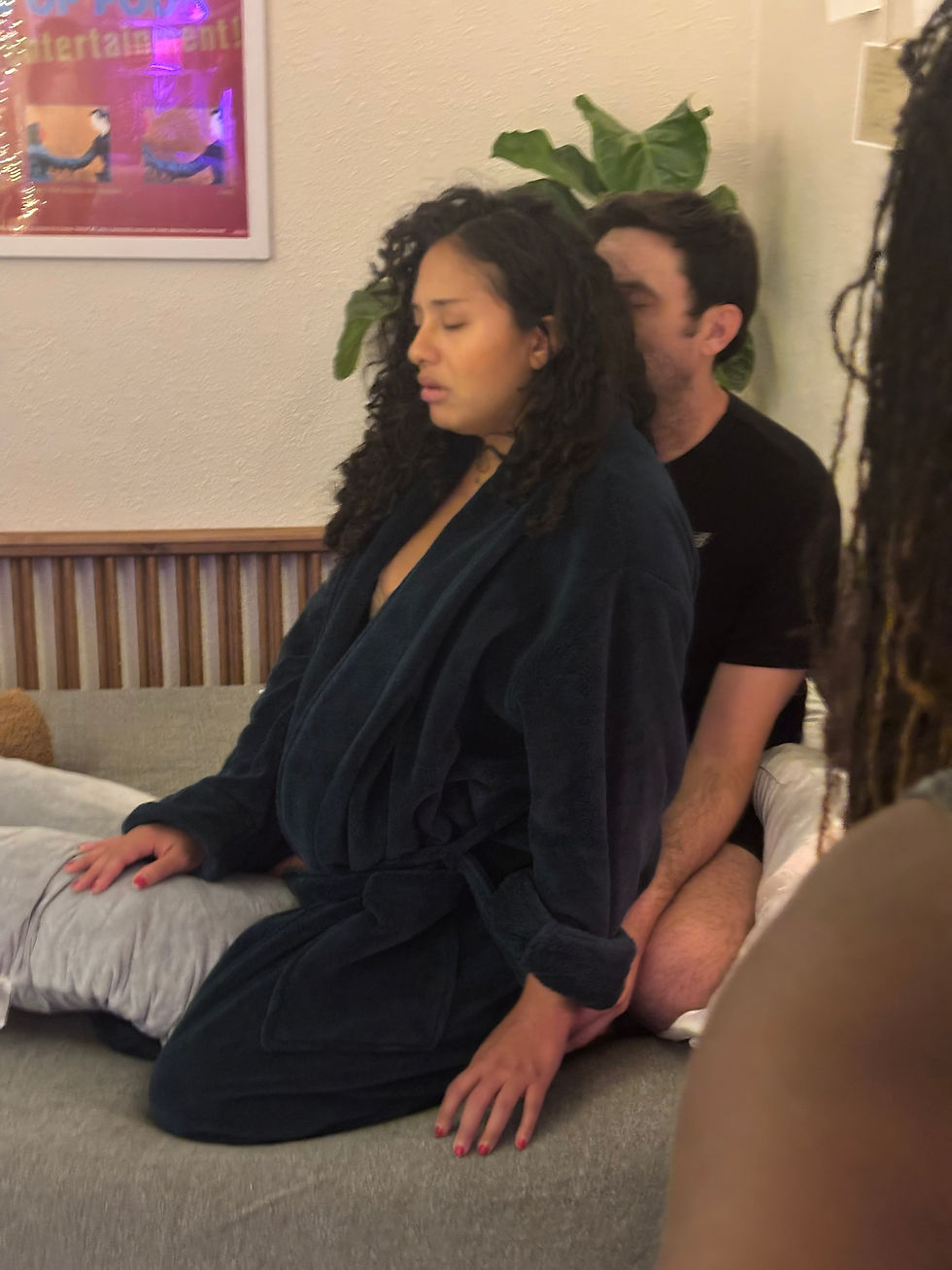
Today, the environment surrounding home birth and abortion continues to shift. In many countries, home birth is gradually gaining wider acceptance. Midwives and doulas are increasingly available and trusted. The growing preference for personalized care aligns with many women's aspirations for a more tailored birthing experience.
Conversely, the push for abortion rights remains a contentious issue. In some regions, access to safe and legal abortions faces significant threats, prompting heightened activism. Women are becoming increasingly outspoken about their abortion experiences, dismantling stigma and emphasizing the importance of reproductive choice.
The Cultural Impact of Home Birth and Abortion
Cultural narratives around home birth and abortion are influenced by various elements, including religion, politics, and prevailing social attitudes. In some communities, home birth is celebrated as a return to traditional methods, while in others, it might be met with hesitation or disapproval.
On the flip side, abortion remains a subject often enveloped in moral and ethical discussions, with opinions varying widely based on cultural and religious backgrounds. This can lead to stigmatization, contributing to feelings of isolation among women seeking abortions, which underscores the need for supportive environments and open conversations.
As society navigates these multifaceted issues, it’s essential to respect diverse women’s experiences and their choices regarding childbirth and reproductive freedom.
Moving Forward
The story of home birth and abortion reveals the perseverance and strength of women throughout history. These practices are reflective of an ongoing battle for autonomy, allowing women to make informed choices regarding their bodies.
It is crucial to advocate continually for women’s rights. Ensuring safe and supportive options for childbirth and reproductive health is necessary. By understanding the historical contexts surrounding home birth and abortion, we can build a more inclusive society that respects and champions women's choices and experiences.

In exploring these untold stories, we honor the voices of women who have bravely navigated the complexities of home birth and abortion, paving the way for future generations. Their experiences empower others to take control of their health and make informed decisions about their lives and bodies.


Comments